Stucco should feel solid under the hand. When it starts to flake, chalk, or crumble, something in the wall assembly has gone wrong. In Edmonton, AB, that “something” is often a mix of moisture intrusion, freeze-thaw stress, and age. The good news: most failures show early signs before they turn into expensive structural repairs. This article explains the common causes, what to look for on your home in neighbourhoods like Glenora, Windermere, and Old Strathcona, and how Depend Exteriors restores both traditional hard coat stucco and acrylic systems to perform in Alberta’s climate.
Why stucco breaks down in Edmonton’s climate
Edmonton’s winters include long freezes, wind-driven snow, and deep temperature swings. Materials expand and contract with each cycle. Stucco can handle this if the base layers and control joints are correct. If they are not, the finish coat overstresses, hairline cracks widen, and moisture gets behind the stucco repair Edmonton surface. Water in the wall then freezes, expands by about nine percent, and pushes the stucco off the base coat or the wire lath. Over several seasons, this movement leads to delamination, bulging, and spalling.
Homes near the Edmonton River Valley and low-lying areas can see higher humidity and longer drying times. Buildings close to landmarks like West Edmonton Mall or the University of Alberta face wind exposure that drives rain into small gaps. The failure patterns shift a bit by neighbourhood and house age, but the root mechanics stay the same: water plus movement equals damage.
Traditional vs. acrylic: different systems, different risks
Traditional hard coat stucco typically uses three coats over wire lath: scratch, brown, and finish. It’s dense, strong, and can last decades if kept dry. Its weak points are missing flashings, poor building paper (WRB), and lack of expansion joints around openings. Once water gets behind the lath and can’t escape, the bond breaks and sections start to shear off.
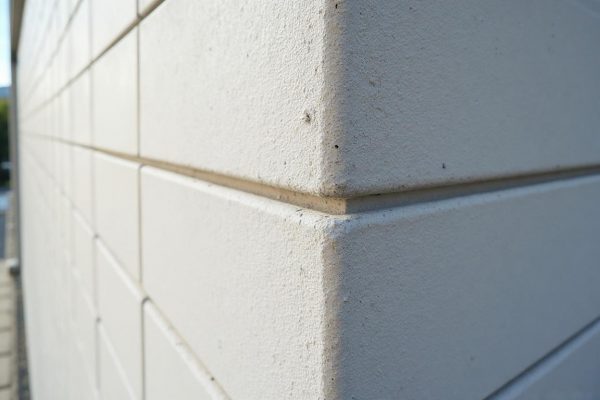
Acrylic stucco and EIFS (Exterior Insulation and Finish System) use EPS board, base coat with fiberglass mesh, and an acrylic finish. Acrylics are flexible and resist hairline cracking better, but they depend on correct detailing to drain or block water. If the EPS board is not sealed at windows and doors, or if kickout flashings are missing, water can bypass the face and soak the sheathing. In Edmonton, that moisture can freeze inside the assembly, leading to bulging, soft spots, or mold behind the finish.
The usual suspects: what drives flaking and crumbling
Moisture intrusion sits at the centre of most failures. The pathways vary. A few stand out in Edmonton’s Division No. 11 region:
- Failed sealant joints around windows and doors allow wind-driven rain to enter the stucco layers. Without proper backer rod and high-quality sealant, small gaps become water funnels. Missing or damaged flashings at roof-to-wall intersections force water behind the stucco. Absent kickout flashings are a common trigger for efflorescence and rot near downspouts. Hairline cracks from thermal expansion open the door for water. One winter later, those cracks widen as ice pressure grows inside the wall. Efflorescence shows as white salt staining. It signals ongoing water movement through cement-based coats. The salts themselves are not dangerous, but the process that creates them erodes the bond and dries the wall unevenly. Woodpecker holes, common in EIFS around Summerside and Terwillegar Towne, punch through the finish, letting water entry grow behind the EPS board. Birds target softer, resonant areas that suggest voids or insect activity.
Each pathway leads to the same end point: the finish weakens, flakes, and sheds sand. With time, entire sheets of stucco can delaminate from the lath.
Telltale signs on Edmonton homes
Damage often concentrates around windows, parapets, decks, and lower walls. The following patterns show up again and again on stucco repair Edmonton projects:
Hairline cracks that radiate from window corners point to missing expansion joints or tight stucco clamped to rigid frames. In older Riverbend and Glenora homes, the stucco might lack modern control joint spacing, so thermal movement concentrates at sharp corners.
Bulging near sills or along vertical seams suggests trapped moisture behind the wire lath or EPS board. Push gently: if the area feels soft or hollow, the bond likely failed.
Chalking and surface flaking appear as a dusty handprint after rubbing the wall. UV exposure weathers acrylics and cements differently, but ongoing chalking, especially on south and west walls, hints at a finish past its service life or insufficient curing during the original install.
Efflorescence along the base or near downspouts signals water paths. If white staining persists after a season, it points to an active leak, not just a one-time wetting.
Stains that mirror framing members or fasteners often mean persistent moisture. In some Griesbach and West Edmonton properties, these “ghosting” lines come from thermal bridging that condenses vapor within the wall.
Parging that crumbles at the foundation can wick water up from grade. Alberta’s freeze-thaw cycles exaggerate this until the parging spalls off in thumbnail-sized chips.
Why small cracks become big failures
Thin cracks look harmless. In Edmonton, winter takes those hairlines and pumps them open. A crack that starts at 0.3 mm can widen several times over, especially on stucco without mesh reinforcement across joints. The pressure from freezing water doesn’t just widen gaps; it shears the interface between coats. That is why early crack bridging with a base coat and high-strength fiberglass mesh is so effective. It moves the stress to the mesh instead of the brittle finish.
The hidden layer that makes or breaks stucco
Behind every good stucco wall is a weather-resistant barrier and a drainage path. Building paper or other WRB must lap correctly over flashing. If that lap is reversed or punctured, water flows straight behind the system. On EIFS, a continuous barrier plus sealed penetrations is critical. On hard coat, the lath needs proper fastening to avoid “drumming,” where movement loosens the keying of the scratch coat.
When Depend Exteriors investigates crumbling stucco, technicians often find a cascade of small misses: missing back wrapping on EPS edges, no bead at weep screeds, or fasteners overdriven through the WRB. Each single issue might not cause failure. Together, they guarantee it.
What Edmonton homeowners can do today
Routine checks catch most issues early. After a heavy rain or a warm spell mid-winter, walk the exterior. Look at all window heads and sills, door thresholds, deck connections, and chimney intersections. If sealant has pulled away, water is likely inside the wall. If staining streaks from a single point, trace it up to a missing kickout flashing or open joint. A few photos and a moisture reading help set the repair scope before the next freeze cycle enlarges the problem.
Repair approaches that hold up in Alberta
Quality repair starts with diagnosis. On a typical stucco repair Edmonton call in T6H or T5A, the team checks moisture content, probes soft spots, and opens a small test area to see the condition of the sheathing and lath. The right fix depends on what the opening reveals.
If the damage is localized and the sheathing is sound, technicians remove loose material to a firm edge, clean the cavity, and re-establish the assembly. On hard coat, that means re-tying or replacing wire lath, rebuilding the scratch and brown coats, and integrating expansion joints where needed. On acrylic systems, that means replacing compromised EPS, applying a base coat with alkali-resistant fiberglass mesh, and finishing with a color-matched acrylic coat.
If moisture intrusion has traveled across a wall, a sectional restoration can be more reliable than spot patches. That includes opening the wall to correct WRB laps, adding or repairing flashings, and setting proper weep details. Without those steps, new finish may look good for a season then fail at the same seams.
How Depend Exteriors executes durable repairs
Depend Exteriors focuses on building envelope restoration first, cosmetics second. The crew uses mixing drills to control ratios, texture sprayers for uniform finishes, and heat guns with hoarding to cure materials in cold weather. Where cracks run across stress points, they apply a high-strength fiberglass mesh and a base coat to bridge cracks before finishing with a custom-tinted acrylic topcoat. If the patch must match a 20-year-old stucco, they make multiple drawdowns and test panels on-site to check dry-back color in Edmonton light.
If bulging near windows or white salt stains appear, the team checks behind the wire lath for trapped moisture and delamination. On EIFS with bird damage, they replace the EPS board at the hole, feather the base coat with mesh beyond the repair, and harden the finish to reduce resonance that attracts woodpeckers. For winter work, they erect temporary enclosures and maintain cure temperatures, so bonds develop fully even at -15°C ambient.
Materials that stand up to freeze-thaw
Material quality matters more in a subarctic climate. Depend Exteriors uses Imasco Minerals cements for hard coat sections and Sto Corp acrylic systems where flexibility helps. On high-end projects in Windermere or Riverbend, DuRock acrylic finishes deliver superior crack resistance and consistent color, especially on large elevations. Where parging needs renewal, they choose blends that handle wicking at grade and resist salt spray from winter sidewalks.
For sealant renewals, installers back the joint with the right diameter backer rod and apply high-performance sealants that keep elasticity through -40°C winters. Cheap caulks shrink and split; homeowners end up paying for the same joint twice.
Real Edmonton scenarios and outcomes
Glenora heritage home with efflorescence: The south elevation showed white staining that returned each spring. Opening the wall revealed reversed WRB laps above a window head. After re-lapping the barrier, adding a kickout flashing at the roof return, and re-stuccoing the section with a compatible finish, the staining stopped the next season.
Summerside EIFS with woodpecker holes: Multiple small holes clustered near a second-story soffit. The EPS had voids at a corner bead, creating a drumming sound that birds targeted. The repair team replaced the EPS across a wider section, set tighter mesh reinforcement, and applied a harder acrylic finish. No new bird strikes in the next two years.
West Edmonton commercial facade with delamination: Large, hollow-sounding areas near downspouts. Testing showed water trapped behind the lath from a missing kickout. After adding the flashing, the crew rebuilt the stucco with expansion joints around long runs, preventing re-cracking through the first two winters.
Why flaking parging matters for the rest of the wall
Parging seems cosmetic, but it protects the base of the wall from splashback and wicking. If it crumbles, water rises behind the finish coat and freezes near the sill line. That cycle drives flaking on the first 300 mm of stucco above grade. Fixing parging early reduces the risk of spalling higher up. Many St. Albert and Sherwood Park homes show this pattern on north elevations that stay shaded and slow to dry.
Matching old stucco so the repair disappears
Edmonton has many 1970s and 1980s textures that range from fine sand to heavy dash. Texture matching is half science, half muscle memory. Depend Exteriors uses specialized texture sprayers and hand techniques to blend new with old. The process involves trial panels to dial in aggregate size, nozzle type, and air pressure. Color matching requires custom tinting and allowance for fade. On sun-exposed T6J and T6H streets, the same nominal color can look a shade lighter today than it did 10 years ago. The crew samples adjacent areas to approximate the aged tone, not the factory swatch.
Preventive measures that actually work
Edmonton homeowners can avoid many failures with simple details. Proper kickout flashings at every roof-to-wall intersection block gallons of water during a summer storm. Periodic sealant checks each spring and fall keep joints closed. Clearance from grade should remain consistent; piling mulch against stucco traps moisture. Downspouts should discharge away from walls, not splash against them. If a deck ledger meets stucco, the ledger should be flashed and isolated to prevent wicking into the wall.
How building envelope inspections save money
A one-hour inspection can find the weak links that lead to flaking and crumbling. Depend Exteriors’ journeyman plasterers check expansion joint spacing, probe suspect areas, and verify that the WRB and flashing details will manage Edmonton’s freeze-thaw cycles. The inspection often costs less than replacing one failed corner in the future. For property managers near Rogers Place or the Alberta Legislature Building, a spring walk-through after the thaw helps prioritize repairs before summer storms.
Service area and local insight
Depend Exteriors serves homeowners and businesses across Edmonton, including postal codes T6H, T5A, T5B, T5G, T6A, T6B, T6G, T6J, and surrounding communities such as St. Albert, Sherwood Park, Spruce Grove, Leduc, Beaumont, Edmonton stucco repair services Fort Saskatchewan, and Stony Plain. Projects range from historic restorations in Old Strathcona to modern acrylic systems in Terwillegar Towne and Windermere. Proximity to the Edmonton River Valley informs detailing for higher humidity zones, while west-facing walls near West Edmonton Mall often need extra crack control due to wind and sun exposure.
What to expect during a stucco repair Edmonton project
The process starts with a site visit and a free estimate. A technician documents symptoms such as hairline cracks, bulging, efflorescence, woodpecker holes, and parging failure. If moisture readings suggest deeper issues, they recommend a small exploratory opening. Once the scope is clear, the crew sets up scaffolding as needed, protects landscaping, and sequences work to keep the home accessible. Cold weather work involves hoarding and heat to maintain cure temperatures. At completion, they review the repair, explain maintenance steps, and provide information on material systems used, such as Sto Corp acrylics or Imasco hard coat.
Common questions from Edmonton homeowners
Can stucco be repaired in winter? Yes, with hoarding and controlled heat. Heat guns and temporary enclosures allow coats to cure properly even in sub-zero conditions. Scheduling around deep cold snaps helps maintain bond strength.
How do you match the color of 20-year-old stucco? By creating on-site color samples and testing them after full dry-back. Expect a blend that matches the current, slightly faded tone, not the original manufacturer color.
What is the difference between hard coat and acrylic stucco? Hard coat uses cement-based scratch, brown, and finish coats over wire lath. It is dense and vapor permeable. Acrylic stucco, often as part of EIFS over EPS insulation, uses a base coat with fiberglass mesh and a flexible acrylic finish. It handles movement better but requires careful moisture control.
How do you fix woodpecker damage? Replace the punctured EPS board, re-mesh the area with alkali-resistant fiberglass mesh, and apply a reinforced base coat and finish. Where possible, reduce resonance and fill voids that attract birds.
What brands do you use? Depend Exteriors installs systems and components from Imasco Minerals and Sto Corp for most projects, and DuRock acrylic finishes for premium homes that need maximum crack resistance and consistent color.
When repair becomes replacement
Sometimes a wall has too many failures to justify patching. If sheathing is soft across broad areas, or if the WRB and flashings are wrong throughout, replacement can be more cost-effective. The team weighs the area of failure, age of the system, and risk of hidden damage. On older homes in Glenora or Riverbend, selective replacement combined with added control joints often stabilizes the whole elevation. On EIFS with widespread bird damage or poor installation, recladding a full wall may be the stable path.
Why homeowners choose Depend Exteriors
Depend Exteriors is locally owned, WCB insured, and carries liability insurance. Alberta journeyman plasterers lead every project, following codes that protect warranties and resale value. The company offers free estimates, a color matching guarantee on finish coats, and 5-star Google-reviewed service. The team is trained in Sto, DuRock, and Imasco systems and adept with scaffolding, power washers for prep, mixing drills for consistency, and texture sprayers for seamless blending.
The next best step
If your Edmonton home shows flaking, chalking, or crumbling stucco, the wall is telling a story about water and movement. Early intervention costs less and lasts longer. Request a free on-site stucco inspection and repair estimate from Depend Exteriors. A short visit can pinpoint whether you need a simple sealant renewal, a mesh-reinforced crack repair, or a targeted building envelope restoration.
Below is a brief homeowner checklist to use before the visit.
- Check for white salt staining, soft bulges near windows, and open sealant joints. Note any woodpecker holes, especially near soffits or on EIFS areas that sound hollow. Photograph cracks wider than a credit card edge and any repeated stains after rain. Look for missing kickout flashings where the roof meets the wall. List the age of your stucco if known and any past repairs.
Depend Exteriors provides expert stucco remediation across Edmonton, from T6H to T5A, with service to St. Albert and Sherwood Park. The team understands how the Capital Region’s freeze-thaw cycles, wind exposure, and local wildlife affect both hard coat and acrylic systems. Book a free consultation with WCB-insured journeyman plasterers to receive a detailed quote on parging or stucco restoration. Your exterior can be solid, dry, and colour-true again—built to handle -40°C and the summer storms that follow.
Stucco Repair Experts in Edmonton, AB
Depend Exteriors provides stucco repair across Edmonton, AB, Canada. We fix cracks, chips, and water damage caused by storms, restoring stucco and EIFS for homes and businesses. Our licensed team handles residential and commercial exterior repairs, including stucco replacement, masonry repair, and siding restoration. Known throughout Alberta for reliability and consistent quality, we complete every project on schedule with lasting results. Whether you’re in West Edmonton, Mill Woods, or Sherwood Park, Depend Exteriors delivers trusted local service for all exterior repair needs.
Depend Exteriors
8615 176 St NW
Edmonton,
AB
T5T 0M7
Canada
Phone: (780) 710-3972
Website: dependexteriors.com | Google Site | WordPress